Zipper Quality Inspection Checklist for Bulk Orders
A zipper quality inspection should confirm five things: the goods match the approved specification, the components are visually consistent, every sampled zipper operates correctly, dimensions and colour are within the agreed tolerance, and any required performance tests have traceable results. Inspect against an approved sample or signed specification—not against memory or a product photo alone.
This checklist is designed for B2B buyers reviewing development samples, incoming zipper lots or pre-shipment goods. It deliberately avoids universal pass limits: the correct tolerance and test method depend on the zipper construction, application and buyer standard, so they should be agreed before production.
Zipper inspection checklist at a glance
| Checkpoint | What to verify | Practical method | Record |
|---|---|---|---|
| Product identity | Type, size, length, end type, slider arrangement and quantity | Compare labels and goods with the purchase order and approved specification | Lot, carton and item codes |
| Chain and tape | Even elements, clean tape, straight chain and secure stops or box-and-pin parts | Visual inspection under consistent light | Photos and defect count |
| Operation | Smooth opening and closing, correct locking action and slider orientation | Run the slider through the full functional length | Pass/fail by sampled piece |
| Dimensions | Functional length, chain size and any buyer-defined component dimensions | Use the agreed measurement points and calibrated tools | Actual readings and tolerance |
| Appearance | Tape colour, teeth finish, puller and branding | Compare with an approved physical standard under controlled light | Reference standard and result |
| Performance | Buyer-required strength, corrosion or application tests | Use the agreed method on the agreed sample quantity | Report number, date and result |
| Packing | Assortment, bundles, labels, protection and carton marks | Compare packing with the order instructions | Carton photos and counts |
1. Start with the approved specification
Inspection cannot correct an unclear order. Before opening cartons, place the purchase order, approved sample and final specification together. At minimum, confirm:
- Zipper material or construction: nylon coil, metal, resin, invisible or coated/water-resistant
- Gauge or size, such as #3, #5, #8 or #10
- Finished functional length and the agreed measurement method
- Open-end or closed-end construction
- One-slider or two-slider arrangement and slider orientation
- Tape colour, teeth colour or finish, slider and puller style
- Logo or other custom hardware requirements
- Quantity, assortment, packing and labelling
- Any project-specific test method and acceptance criteria
If these details are not yet fixed, use the zipper specification sheet before approving production. A golden sample should be clearly identified, dated and protected from fading, abrasion or component substitution.
2. Verify chain, tape and end components
Look along the entire sampled zipper, not only at the first few centimetres. The chain should appear straight and the elements should be evenly formed and aligned. Check for missing, damaged or irregular teeth; contamination; exposed cord; wrinkled tape; frayed edges; and inconsistent sewing space.
Then inspect the end construction. Closed-end zippers need a secure bottom stop. Open-end zippers need a compatible insertion pin and retainer box that engage without forcing. Top stops should prevent the slider from leaving the chain. The exact parts differ by construction, but each part must match the approved sample and remain securely positioned.
For terminology, see the illustrated guide to parts of a zipper. Treat any condition that can make the zipper separate unexpectedly, trap the user or make the product unusable as a critical issue under your own quality plan.
3. Test slider operation through the full length
Open and close each sampled zipper through its complete functional travel. A short movement near the top will not reveal a rough section farther down the chain.
Check that:
- The slider starts and moves without abnormal force.
- The elements engage behind the slider and do not reopen.
- The puller pivots as approved and does not detach.
- An auto-lock slider holds when the puller is released, if that lock type was specified.
- Two-slider constructions have the correct orientation and meeting position.
- Open-end zippers insert, close, reopen and separate without misalignment.
Record repeatable problems by location and carton. One rough sample may indicate local damage; the same symptom across cartons may indicate a component-fit or process issue that needs supplier investigation.
4. Measure length and key dimensions correctly
Use the same measurement definition used on the order. Loose tape extensions are not normally part of functional zipper length, but the correct endpoints vary by open-end, closed-end and continuous-chain construction. The guide on how to measure a zipper shows the relevant reference points.
Measure a distributed sample rather than pieces taken from one bundle. Record actual readings, not only “pass.” This reveals drift even when all sampled pieces still sit inside the agreed tolerance. If size is important to assembly, also verify the chain gauge and any drawing-controlled dimensions such as tape width or puller size.
Do not create a tolerance after the goods arrive. State it on the specification, drawing or approved deviation before production.
5. Compare colour, finish and branding
Colour decisions need a stable reference. Compare tape and hardware with the approved physical swatch or sample under consistent lighting. Screen images, chat photos and different room lights can make the same colour look different.
Check the full lot for:
- Tape shade within the agreed range and consistency between cartons
- Teeth or coating finish matching the approved appearance
- Slider and puller colour matching the intended set
- Clean logo shape, orientation and placement on custom pullers
- No obvious stains, scratches, plating gaps or mixed components
For orders with several colours or finishes, separate the variants before inspection. Confirm both the individual result and the assortment ratio shown on the packing list.
6. Review only the performance tests the product needs
Visual and operating checks do not replace performance testing. The test plan should follow the finished product’s risk: a fashion pocket, metal workwear front and coated outdoor opening do not need the same evidence.
Possible project requirements include lateral chain strength, puller or slider attachment, operating cycles, corrosion resistance for metal components, or water-related testing for a coated closure. Define the specimen, conditioning, equipment, method, sample quantity and acceptance result before testing. A statement such as “tested” is incomplete without those details.
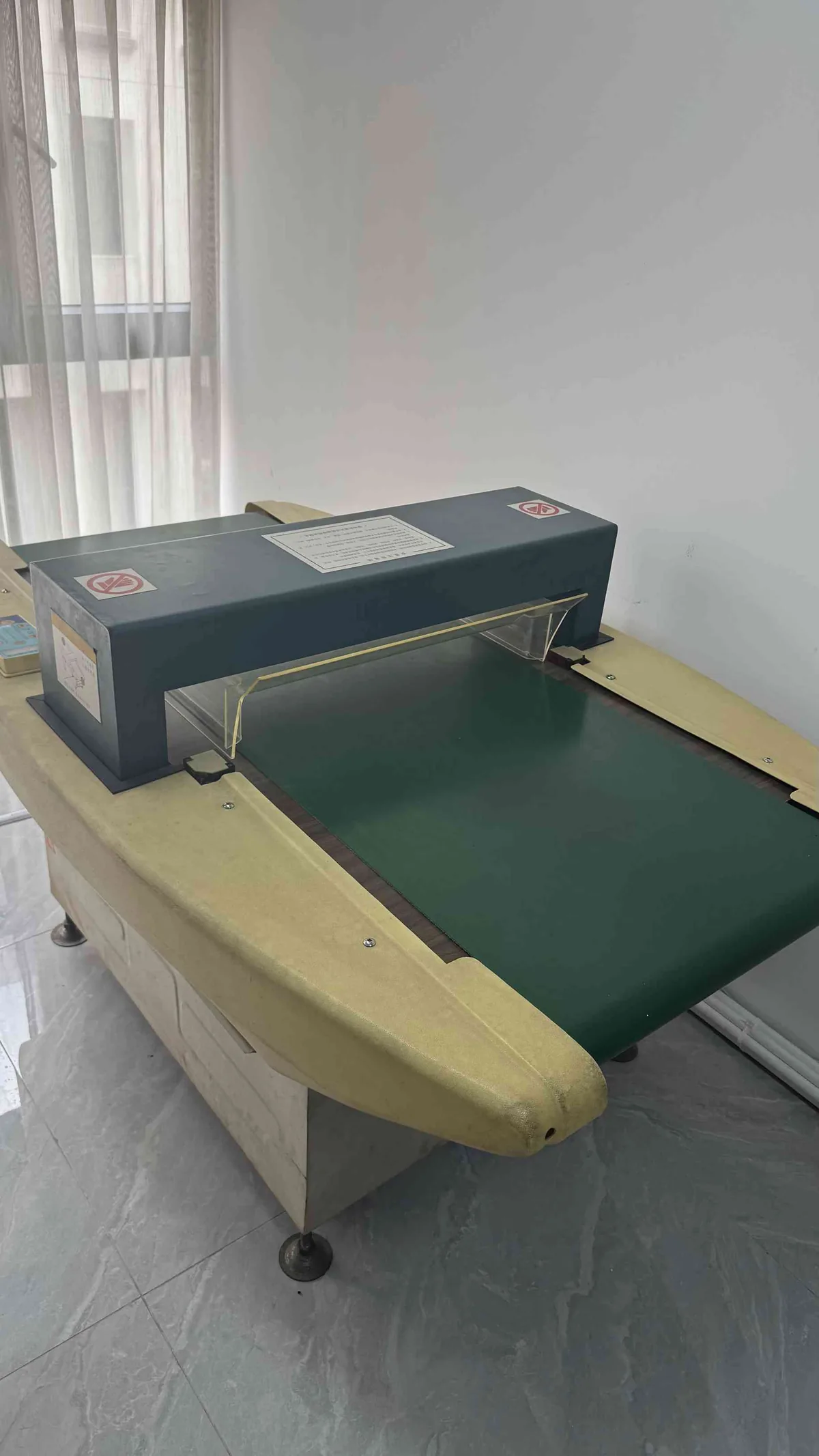
CEO Zipper’s quality control page documents tensile equipment, salt-spray equipment and finished-goods conveyor inspection. Ask for the test report applicable to your exact product category and order rather than assuming one report covers every zipper.
7. Build a defensible sampling and defect plan
A practical inspection plan states where samples come from and how decisions are made. Draw pieces across different cartons, positions, colours and lengths. Do not let the supplier present only convenient samples from one bundle.
Before production, define:
- The sampling scheme or buyer standard to use
- Critical, major and minor defect definitions for the application
- Acceptance and rejection numbers
- Whether destructive tests use a separate sample
- What happens after failure: sorting, rework, replacement or reinspection
- Who can approve a written deviation
This article does not prescribe an AQL value because one number is not suitable for every product or buyer. The important point is to agree the plan before inspection and apply it consistently.
8. Make the inspection report actionable
A useful report identifies the supplier, purchase order, product code, lot, quantity, inspection stage, sample quantity, approved reference and inspector. Add actual dimension readings, defect descriptions, defect locations, clear photos and test-report references.
End with one unambiguous status:
- Approved: all agreed checks and decision rules pass.
- Approved with written deviation: the buyer knowingly accepts a defined difference for this lot only.
- On hold: more evidence, sorting or corrective action is required.
- Rejected: the lot fails the agreed criteria and must not ship as approved goods.
Never hide a deviation inside general notes. Link it to the affected quantity, decision owner and next action.
Common inspection mistakes
Checking appearance but not operation
A zipper can look clean and still bind, reopen behind the slider or use the wrong lock. Every sampled piece needs a full operating check.
Measuring from the wrong endpoints
Including loose tape beyond the stops changes the result. Use the construction-specific functional length and document it with a marked drawing.
Comparing colour with a phone screen
Screens and automatic camera processing are not stable colour standards. Use an approved physical reference and consistent lighting.
Accepting “passed QC” without records
Ask what was tested, by which method, on how many specimens and with what result. Keep the report linked to the production lot.
Inspecting only one carton
One carton cannot show variation across the shipment. Distribute the sample according to the agreed plan.
Frequently asked questions
What should be checked during zipper quality inspection?
Check the ordered identity and quantity, chain and tape appearance, stops or box-and-pin parts, full slider operation, length and key dimensions, colour and finish, required test records, and packing. Compare every result with the approved specification and physical reference.
How do I test whether a zipper slider is working properly?
Run it through the full functional length. Confirm smooth movement, complete element engagement, no reopening behind the slider, correct puller and locking action, and the correct orientation for one- or two-slider designs.
How many zippers should be inspected from a bulk order?
Use the sampling scheme agreed in the purchase contract or buyer quality standard and draw samples across cartons, colours and lengths. There is no single sample count suitable for every order size, risk and application.
What are common zipper defects?
Common inspection findings include missing or uneven elements, rough slider movement, reopening chain, loose stops, box-and-pin misalignment, incorrect length, shade variation, stains, scratches, mixed hardware and incorrect packing.
Is visual inspection enough for zipper approval?
No. Visual inspection should be combined with full operating checks, dimension verification and any performance tests required by the product specification. The finished product’s application determines which tests are relevant.
What document should a buyer send before inspection?
Send the final purchase order, signed zipper specification, approved physical sample or colour standard, packing instructions, test plan, sampling rule and written acceptance criteria. Mark the document revision so the factory and inspector use the same version.
What should happen when the inspection fails?
Place the affected lot on hold, document the defect and quantity, identify the cause and agree sorting, rework, replacement or reinspection. Shipment should follow only after the agreed criteria or a buyer-authorized written deviation is satisfied.
Final recommendation
The most reliable zipper inspection begins before production: define the product, tolerance, test method, sampling rule and decision authority first. At inspection, verify identity, construction, operation, dimensions, appearance, evidence and packing in that order, with traceable records for the exact lot.
Need a factory review of your zipper specification or quality plan? Contact CEO Zipper or send the application, size, length, end type, colour, quantity and required tests to Gary Dong at [email protected] or WhatsApp +86 135 0962 3269.